
Sod Webworms: The Late-Summer Pest That Chews Your Lawn
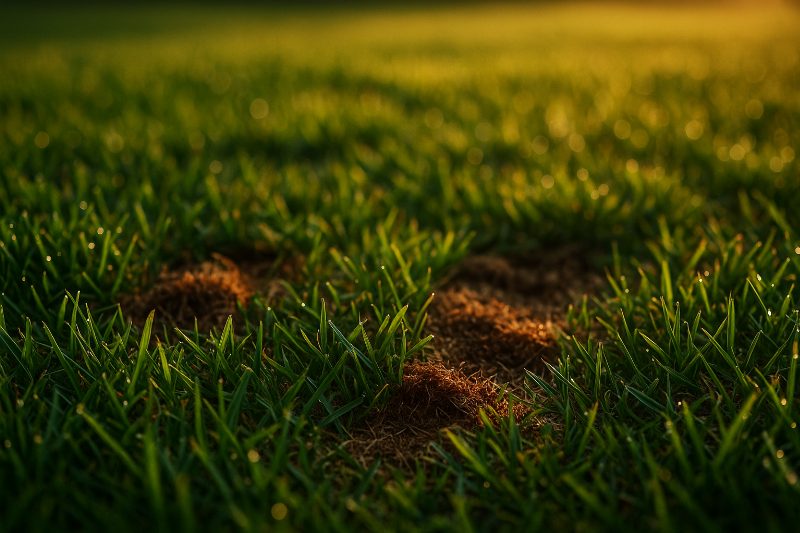
Brown patches appear overnight with no warning, the grass blades look ragged and chewed at the base, and by the time most homeowners notice something is wrong, sod webworms have already been feasting for a week. This pest is one of the most frustrating late-summer threats in Manatee County, and it moves fast enough to turn a healthy St. Augustine lawn into a patchwork of dead turf before a single weekend passes.
Understanding sod webworms - what they are, how they work, and when to act - is the single most important thing you can do to protect your lawn between July and October in Bradenton, Lakewood Ranch, Parrish, and the surrounding communities.
What Exactly Are Sod Webworms?
Sod webworms are the larval stage of a small, buff-colored moth you have almost certainly seen fluttering low over your lawn at dusk. The adult moths are harmless to grass. They do not feed on turf at all. The problem is what they leave behind.
Female moths scatter eggs loosely across the grass canopy as they fly in a zigzag pattern over the lawn in the evening. Those eggs hatch within a week or two into small caterpillars, and those caterpillars are the real culprits. They burrow down into the thatch layer during the day and crawl up to feed on grass blades at night, clipping them off at the soil surface or just above it. As the larvae grow through several instars (developmental stages), their appetite increases dramatically. By the time they reach their final instar, a single larva can consume several times more grass each night than it did when it first hatched.
There are multiple sod webworm species present in Florida, but the tropical sod webworm (Herpetogramma phaeopteralis) is by far the most damaging in our region. It thrives in warm, humid conditions, which is exactly what late summer in Manatee County delivers. Unlike some northern sod webworm species that produce one or two generations per year, the tropical sod webworm can cycle through several generations between late spring and early fall, meaning populations can build up quickly if conditions are right.
Why Late Summer Is the Danger Zone
The combination of factors that make late summer so dangerous for lawns is not a coincidence. High heat keeps grass under moderate stress, afternoon thunderstorms create surface moisture that moths prefer for egg-laying, and longer periods of thick thatch (which builds up over the summer growing season) give larvae ideal hiding spots during the day.
Lawns that have been fertilized heavily with nitrogen earlier in the season also tend to be more attractive to sod webworms. Lush, fast-growing turf is softer and more palatable to feeding larvae than a lawn on a balanced, measured fertilization schedule. This is one reason that working with a professional lawn care company to plan your fertilization calendar thoughtfully - rather than going heavy in spring and summer - pays dividends in pest resistance later in the year.
If you live on or near the coast, such as on Anna Maria Island, you may notice that your lawn bounces back from light webworm feeding faster when soil moisture is consistent. But coastal properties with sandy soils can also be more vulnerable to rapid die-back when a heavy infestation hits during a dry spell, because the grass has less root reserve to draw on.
Identifying a Sod Webworm Infestation
There are several signs to look for, and learning to read them together gives you a much clearer picture than any single clue alone.
The birds are a giveaway. Starlings, grackles, and mockingbirds probing the same patch of lawn repeatedly are often following the larvae. Birds are excellent scouts. If you see them working the same 10-square-foot area morning after morning, get on your hands and knees and look.
The damage pattern is irregular but concentrated. Webworm damage does not spread evenly across a lawn the way drought stress or a fungal disease might. It tends to appear in uneven patches, sometimes starting near sidewalk edges, fence lines, or areas with heavy thatch, and then spreading outward as the larvae consume nearby grass.
Ragged, not clean, blade edges. If you look closely at affected grass in the early stages, the surviving blades near a damaged patch often have a chewed, irregular look rather than the clean cut of a mower blade. That physical evidence is distinct from the yellowing-then-browning you see with chinch bugs or drought stress.
The soap flush test. This is the most reliable confirmation method. Mix two tablespoons of liquid dish soap into a gallon of water and pour it slowly over one or two square feet of suspected turf, right at the edge of a damaged area. Wait three to five minutes. If sod webworm larvae are present, they will surface and begin writhing on the grass. Finding two or more larvae per square foot is generally enough to justify treatment. Fewer than that, and natural predators may be keeping the population in check on their own.
Silky tunnels in the thatch. Pull back the grass in a damaged area and look at the thatch layer close to the soil. Active larvae often construct loose silken tubes in the thatch where they rest during daylight hours. These tunnels are fine and easy to miss, but they are definitive evidence of webworm presence.
Sod Webworms vs. Other Common Lawn Problems
One of the most common mistakes homeowners make is assuming that any patch of brown, damaged turf is a webworm problem. Florida lawns face a full roster of threats in late summer, and misidentifying the cause leads to the wrong treatment - which wastes money and can make the underlying problem worse.
Take-All Root Rot produces bare patches that refuse to recover even after rainfall, but the damage starts from the roots up and does not leave chewed blade edges. Gray Leaf Spot hits hardest after heavy rains and humid nights, producing lesions on the grass blades themselves. Mole crickets cause spongy turf and visible tunneling at the soil surface. And nutsedge is an entirely different beast - a weed problem, not an insect one.
The soap flush test helps distinguish webworms from most of these other issues because it either produces larvae or it does not. There is no ambiguity.
Treatment Options and Timing
If you confirm an active infestation, timing and product selection both matter.
Treat in the late afternoon or early evening. Sod webworm larvae are nocturnal feeders. Applying an insecticide in the evening means they will encounter the treated surface as soon as they begin moving up from the thatch to feed. Morning applications give the product several hours to break down in heat and sunlight before the larvae become active.
Choose the right product for the infestation stage. Bacillus thuringiensis var. kurstaki (Bt) is a biological option that works well on young, small larvae. It is a naturally occurring soil bacterium that disrupts the larval digestive system but has essentially no effect on beneficial insects, birds, or pets. The limitation is that it breaks down quickly in UV light and must be reapplied, and it is less effective on larger, older larvae.
Spinosad is another low-impact biological option with broader effectiveness across larval stages and a reasonable residual activity period.
Synthetic pyrethroid insecticides (bifenthrin, permethrin, and similar active ingredients) work faster and have a longer residual, which is useful when a heavy infestation has already caused significant damage and you need rapid control. The trade-off is a broader impact on beneficial insects, so they should not be the automatic first choice for a light-to-moderate infestation caught early.
Water lightly before, but not after. A light pre-application watering helps move the product into the upper thatch layer where larvae hide during the day. Avoid irrigating for at least 24 hours after treatment, so the insecticide is not washed off the turf surface before the larvae contact it.
Repeat as needed. Sod webworms can cycle through generations quickly in Florida summers. A single treatment may knock down the current population but leave eggs already in the thatch ready to hatch within days. Monitor with periodic soap flush tests for two to three weeks after treatment.
Helping Your Lawn Recover After Webworm Damage
Once you have controlled the larvae, the grass itself needs support to recover. Mildly damaged St. Augustine and Zoysia lawns can fill back in from surrounding stolons given adequate moisture and appropriate fertilization, but heavily stripped areas may need sod repairs.
A few recovery steps that help:
- Keep irrigation consistent and even during the recovery period, aiming for deep but infrequent watering rather than frequent shallow cycles.
- Avoid heavy nitrogen applications immediately after treatment. A high-nitrogen push encourages fast, soft top growth that is attractive to any surviving or newly hatched larvae and can set you up for a secondary infestation.
- Mow at the high end of the recommended height for your grass type. Taller turf handles stress better and recovers faster from pest damage.
- Address thatch buildup if it has accumulated beyond about half an inch. Thick thatch is both a refuge for larvae and a barrier that limits water and nutrient penetration to the roots.
If large sections of your lawn are completely bare, sodding those areas before fall provides a head start on root establishment before winter. Our team handles lawn care and landscaping services including sod installation and recovery programs tailored to each property.
Prevention: Reducing the Risk Going Forward
Completely preventing sod webworm infestations in Florida is not realistic, but reducing the severity and frequency of damaging outbreaks is very achievable with consistent lawn management practices.
- Maintain a proper mowing height and a consistent schedule. Lawns cut at the right height for the species and conditions are simply healthier and more resilient.
- Follow a balanced fertilization program that avoids excessive nitrogen during peak pest season.
- Manage thatch proactively. Annual dethatching or core aeration in appropriate conditions keeps the thatch layer thin enough that it does not become a comfortable habitat for larvae.
- Encourage natural predators. Ground beetles, parasitic wasps, and birds all help suppress webworm populations. Minimizing unnecessary pesticide applications preserves these natural allies.
- Scout regularly in late summer. A quick soap flush test once a month from July through September in high-risk areas gives you early warning before a population builds to damaging levels.
Homeowners in Ellenton, Palmetto, and Parrish who have heavier thatch profiles or shaded lawns with dense turf tend to see recurring webworm pressure. Lawn care services in Ellenton and Palmetto often include a late-summer pest monitoring component for exactly this reason.
When to Call a Professional
If the soap flush test is producing larvae and the damage is spreading quickly, or if you have already lost significant turf and are not sure what combination of pests or diseases is responsible, a professional assessment is genuinely worth it. Getting the diagnosis right the first time saves both the cost of ineffective treatments and the additional cost of sod replacement.
Our team works across all of our service areas in Manatee County and is familiar with the specific pest pressure patterns that different neighborhoods and soil types produce. If you are not sure what is eating your lawn, reach out and describe what you are seeing and we can help you figure out the right next step.
Sod webworms move fast, but they are manageable when you catch them early. Knowing the signs, doing the soap flush test at the first hint of trouble, and acting promptly with the right product at the right time of day puts you firmly in control. Your lawn is worth protecting.