
Bahia vs. St. Augustine vs. Zoysia: Choosing the Right
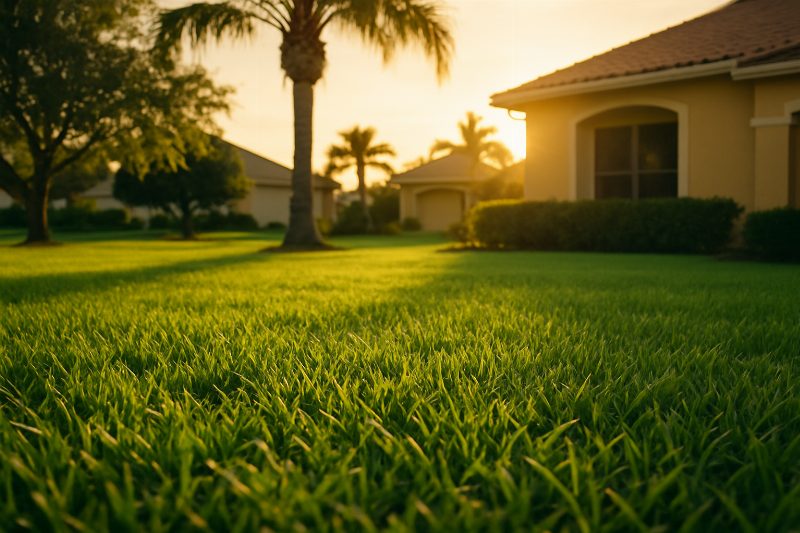
Picking the wrong grass for your Florida lawn is an expensive mistake that can follow you for years. New sod, installation labor, and irrigation adjustments add up fast, so it pays to think carefully before you commit to a single variety. If you are a homeowner in Bradenton, Lakewood Ranch, Parrish, or anywhere else in the Manatee County area, you are almost certainly deciding between three grasses: Bahia, St. Augustine, and Zoysia. Each one has a distinct personality, and none of them is universally "best." The right answer depends on your specific yard, your lifestyle, and how much maintenance you are honestly willing to do.
This post breaks down all three grasses in plain language so you can make a confident, informed choice.
Why Grass Selection Matters More in Florida Than Almost Anywhere Else
Florida's climate is unlike any other region in the continental United States. You get intense summer heat, a distinct wet season that dumps rainfall in heavy bursts, and a dry season that can leave lawns gasping. The soil in much of the Manatee County area tends to be sandy and low in organic matter, which affects how well different grasses root and how often they need fertilizer or supplemental water.
Add in salt spray if you live near the coast on Anna Maria Island or Palmetto, and the decision gets even more specific. A grass that thrives in a shaded Lakewood Ranch backyard may struggle in the open, sandy soil of a Parrish new-construction lot. Understanding the character of each grass type is the foundation of every good lawn care and landscaping decision you will make as a homeowner.
Bahia Grass: The Low-Maintenance Workhorse
Bahia (Paspalum notatum) is the practical choice. It was introduced to Florida decades ago as a pasture grass, and that heritage tells you a lot about what it is good at: surviving. Bahia roots deeply into sandy soil, tolerates drought remarkably well once established, and asks very little of the homeowner in return.
What Bahia Does Well
- Drought tolerance. Bahia's deep root system lets it survive extended dry periods without irrigation that would kill other grasses. This makes it a natural fit for properties in Parrish and Ellenton where soil tends to run sandy and irrigation costs can climb.
- Low fertility requirements. Bahia does not need frequent fertilization. It gets by on relatively thin soil nutrition, which saves money and reduces the risk of fertilizer runoff into local waterways.
- Pest and disease resistance. Bahia is generally resistant to the fungal diseases and insect pressures that plague other warm-season grasses. You are far less likely to deal with the kind of gray leaf spot outbreak that devastates St. Augustine lawns during summer.
- Full-sun performance. In wide-open lots with no tree cover, Bahia thrives.
Where Bahia Falls Short
Bahia has real drawbacks that homeowners sometimes overlook in the excitement of a new lawn. It produces tall, tough seed heads year-round that require frequent mowing to keep looking tidy. The texture is coarser than St. Augustine or Zoysia, so it does not have that lush, manicured appearance many homeowners want. It also performs poorly in shade, going thin and weedy under tree canopies. And in the heat of late spring, Bahia can develop a yellowish tone due to iron deficiency in alkaline soils, a condition correctable with iron supplements but annoying if left unaddressed.
Best for: Budget-conscious homeowners, large open properties, low-irrigation situations, and anyone who prioritizes durability over appearance.
St. Augustine Grass: The Florida Favorite
St. Augustine (Stenotaphrum secundatum) is the most widely planted lawn grass in Florida, and for good reason. It produces a thick, lush, dark-green carpet that makes a yard look genuinely beautiful. Walk through almost any established neighborhood in Bradenton or Lakewood Ranch and the odds are good that the nicest lawns you see are St. Augustine.
What St. Augustine Does Well
- Dense, attractive turf. St. Augustine grows in a wide blade that fills in quickly, crowds out weeds, and gives that resort-style look many homeowners want.
- Shade tolerance. Of the three grasses covered here, St. Augustine handles shade better than Bahia or most Zoysia varieties. Floratam, the most common cultivar, needs several hours of direct sun per day, but shade-tolerant cultivars like Seville or Palmetto can manage in spots that would kill other grasses.
- Salt tolerance. For waterfront homes on Anna Maria Island or along Palmetto's coast, St. Augustine holds up reasonably well to salt air and occasional salt spray.
- Fast establishment. St. Augustine spreads by stolons (above-ground runners) and fills gaps quickly once it gets going.
Where St. Augustine Falls Short
The trade-off for that beautiful appearance is a higher-maintenance lawn. St. Augustine is susceptible to a long list of problems that require vigilance.
Chinch bugs are the most notorious. These tiny insects feed on St. Augustine grass along the soil surface, killing patches that homeowners often mistake for drought stress. Knowing how to tell the difference between chinch bug damage and drought stress is a genuinely important skill if you own this grass. Beyond chinch bugs, St. Augustine is vulnerable to Take-All Root Rot, a fungal disease that causes bare patches that refuse to recover even when you water and fertilize correctly.
St. Augustine also does not handle heavy foot traffic well. If you have kids who run across the same path every day, or dogs that patrol a fence line, you will develop worn patches that can be slow to fill back in.
Finally, St. Augustine requires more water than Bahia, particularly during the dry season from November through May. If your irrigation system is not dialed in, or if you have a large property without full sprinkler coverage, the grass can go into severe stress quickly.
Best for: Homeowners who want a lush, visually impressive lawn and are prepared to invest in regular maintenance, proper irrigation, and proactive pest management.
Zoysia Grass: The Premium Middle Ground
Zoysia is the option that often gets overlooked in Florida, but it deserves serious consideration, especially for homeowners willing to invest a little more upfront for a lower-maintenance lawn over the long run.
Zoysia is a fine- to medium-textured grass that feels dense and almost carpet-like underfoot. The most common varieties planted in Manatee County yards include Zeon, Empire, and Palisades, each with slightly different characteristics but sharing the same general strengths.
What Zoysia Does Well
- Wear tolerance. Zoysia is significantly tougher than St. Augustine when it comes to foot traffic. It is the grass of choice for many golf course fairways, which tells you something about how well it holds up to repeated pressure.
- Drought tolerance. Zoysia goes dormant rather than dying during dry periods, then rebounds once rain returns. This dormancy can be alarming to new owners, but it is a built-in survival mechanism, not a sign of failure.
- Low weed pressure once established. Zoysia grows so densely that it shades out most weeds naturally once it fills in completely.
- Moderate shade tolerance. Empire Zoysia, in particular, handles partial shade reasonably well, though no Zoysia variety matches St. Augustine in deep shade situations.
- Reduced mowing frequency. Zoysia grows more slowly than St. Augustine, which means fewer mowing trips during the active growing season.
Where Zoysia Falls Short
The biggest drawback to Zoysia is the slow establishment period. It spreads by both above-ground and below-ground runners, but it does so more slowly than St. Augustine. If you install Zoysia sod, expect it to take longer to fully knit together and fill bare spots. Plugging in Zoysia is particularly slow.
Zoysia also goes dormant and turns tan or brown during cooler months, which can look shabby from November through February depending on the winter's severity. While our winters in Manatee County are mild, a cold snap can trigger partial dormancy that surprises homeowners who expected year-round green.
Zoysia sod also tends to cost more than Bahia or St. Augustine at the time of installation. If you are sodding a large property, that price difference adds up.
Best for: Homeowners who want a premium-looking lawn with better durability than St. Augustine, are willing to be patient through establishment, and prefer to water and mow less over time.
Side-by-Side Comparison at a Glance
| Factor | Bahia | St. Augustine | Zoysia | |---|---|---|---| | Appearance | Coarse, open | Lush, dense | Dense, carpet-like | | Shade tolerance | Poor | Moderate to good | Moderate | | Drought tolerance | Excellent | Moderate | Good | | Foot traffic | Moderate | Poor | Excellent | | Maintenance level | Low | High | Moderate | | Pest/disease pressure | Low | High | Low to moderate | | Establishment speed | Moderate | Fast | Slow | | Cost (sod) | Lower | Moderate | Higher |
Local Factors That Should Influence Your Decision
Where you live in our service area matters. Here are a few location-specific considerations:
Anna Maria Island: Salt air and sandy, well-draining soil favor St. Augustine's salt tolerance. Proper irrigation is critical given the compact lot sizes and the intensity of the summer sun. Our Anna Maria Island lawn care clients often benefit from higher-frequency visits to keep St. Augustine in peak condition.
Lakewood Ranch: Many lots here sit in planned communities with HOA standards that require a well-manicured appearance. St. Augustine or Zoysia are typically the right fit. Lakewood Ranch lawns often have mature trees that create shade, making St. Augustine's shade tolerance a significant advantage.
Parrish and Ellenton: Newer construction means more open lots with less mature tree cover and often sandier, less amended soil. Bahia holds up remarkably well in these conditions, and Parrish homeowners who want a lower-maintenance option find it a practical choice. Zoysia is also growing in popularity as neighborhoods mature.
Bradenton and Palmetto: These areas have a wide mix of older established neighborhoods and newer developments. Bradenton lawn care scenarios we encounter range from shady bungalow yards that need a shade-tolerant St. Augustine cultivar to sun-baked open lots where Zoysia shines.
Common Mistakes to Avoid
Choosing grass based on appearance alone. That lush St. Augustine display at the garden center is appealing, but if your yard is mostly shade-free, sandy, and you do not want to manage pests, Bahia or Zoysia might serve you better for years.
Skipping soil preparation. No matter which grass you choose, poorly prepared soil will undermine it. Sandy Florida soil often benefits from amendment before new sod goes down.
Ignoring irrigation needs. St. Augustine in particular will punish you quickly if your irrigation system has dry zones. Make sure your coverage is even before you invest in new sod.
Mixing grass types. Some homeowners patch bare spots with whatever sod is cheapest at the hardware store. Different grass types do not blend well, and the result looks patchy and unprofessional.
Overlooking pest pressure. Once you have chosen St. Augustine, stay proactive. Nutsedge is another persistent problem in Florida lawns, and knowing how to get rid of nutsedge before it takes over will save you a lot of frustration.
Getting Expert Eyes on Your Specific Yard
Reading about grass types is useful, but nothing replaces an experienced professional walking your actual property. Soil type, existing tree canopy, irrigation coverage, drainage patterns, and your lifestyle all interact in ways that are hard to evaluate from a chart.
Our team works with lawns across Bradenton, Lakewood Ranch, Palmetto, Parrish, Ellenton, and Anna Maria Island every week. We know the soil quirks, the pest pressures, and the seasonal rhythms of this specific region in a way that generic lawn advice simply cannot replicate. You can learn more about how we approach lawn care and landscaping or read about who we are and what we stand for before you reach out.
If you are ready to get a professional opinion on which grass is right for your yard, contact us and we will be happy to take a look. There is no pressure and no guesswork, just honest advice from people who genuinely enjoy seeing local lawns thrive.